Culture & Race

Multiracial Americans increasing significantly

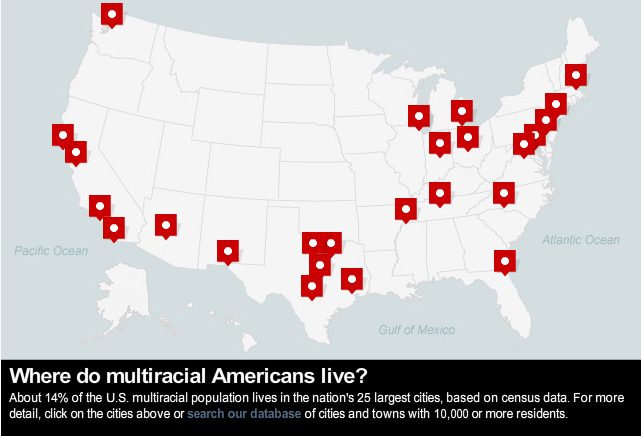
CNN has a great article with some current information on multiracial Americans.  Some interesting points:

  • Interactive map showing where multiracial Americans live
  • Indianapolis has one of the highest percentages of multiracial Americans – who knew?!?
  • There has been a 32 percent increase in the number of people reporting themselves as multiracial since 2000
Culture & Race, Travel

The American dream versus the good life

A deep bass beat rippled through the darkness of the dance club.  Strobe lights flashed outlines of bodies, some clinging, some flailing, some just sitting and staring.  A newly arrived English teacher to Burkina Faso,West Africa, this wasn’t exactly the way I had anticipated learning about a new culture.  However, my new West African friends had mistakenly assumed that because I was American, this would be the scene in which I felt most comfortable.  I am neither a clubber by personality nor a dancer by ability.

I ordered a Coke and did my best to play wallflower – not an easy task for one of two nasaras (white people) in the room.  Pondering the scene, I realized ironically that I was the only person in the room not donning the “American” uniform of jeans and T-shirts.  As the beat shook the walls, we abandoned our attempt at conversation and coolly turned our attention to the crowd, all the while Solomon’s warning about chasing the wind thundering through my head (Ecclesiastes 1 & 2).

With tight Levi’s, smooth moves, and Coke bottles, the clubbers of the night chased their imagined version of the American dream.  In class, my Burkinabé students echoed similar assumptions, believing that American streets were literally paved with gold.  Consequently, it wasn’t difficult to understand why a ticket to America was their dream come true (especially since most of the roads in Ouagadougou, Burkina Faso’s capital city, were not paved at all).  This mentality recurred throughout Ouagadougou – American flags on T-Shirts, pictures of American movie stars on billboards, or American rock classic playing in restaurants.

As I grew to love the warmth of African hospitality and graciousness, I also grew increasingly fearful that such cultural strengths would be blown away by the very winds they were chasing.  “This isn’t what you want,” I challenged my students one day as we discussed the opulence of American culture, “I know it appears enticing, especially in comparison to the poverty, hunger, and injustice people here face on a daily basis.  But what I see being chased – the pride of “image”, the greed of materialism, the selfishness of “independence” – is a façade.  It won’t get you any further than where you are now.  Financial poverty in America is limited, but spiritual poverty is widespread.  Not many go hungry for food, but droves starve for love, recognition, and success.  The injustice to our own is not as blatant as what many countries see in their leaders, but there are still many left unfairly forgotten, neglected.” Continue reading “The American dream versus the good life”

Families, Children & Marriage, Restoration & Reconciliation

A complex beauty

Sri Lankan BeachThere are some things that are inherently breath-taking and beautiful: a newborn baby sleeping, the mountains looming, the sea lapping the shore, a wheat field swaying in the wind.  In a world wracked with tragic ugliness, it doesn’t take long for our hearts to recognize the calming power and focus of which such simple beauties speak.  Such aspects of the created order symbolize a value for beauty and unity.  Yet within this reality is also immense diversity – sometimes so diverse it appears more chaotic than beautiful.

As a human race, we struggle much more with the concept of chaos and diversity than we do with beauty and unity.  Ethnic wars rage.  Globalism disregards the little people.  Opposing sides rail against each other.  Yet does it have to look like this?

Are beauty and unity truly pitted against diversity and chaos as the news headlines would have us believe?

Nature certainly gives of a part of the picture of created order.  Yet another piece of this puzzle involves human beings.  Even as we see them inflicting wars, cultural imperialism, trafficking, and bitter divisiveness, we also see humans participating deeply in the stories of reconciliation, empowerment, restoration, and respect for one another.  These people are merging the realities of beauty and unity with diversity and chaos to look something like this:
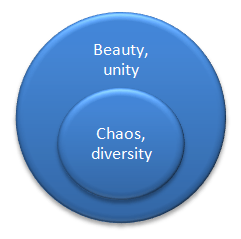
In other words, chaos and diversity exist within the realm of beauty and unity, not as forces working against it.

And what humans know the reality of this co-existence better than we who embody intercultural marriages?  I’d wager a large bet that beauty, unity, chaos, and diversity are integral aspects of our experiences, unable to be separated from each other.  Left unexamined and misunderstood, they do tend to pit us against each other.  But combined with some intense honesty and personal sacrifice, we are part of the picture to a world that desperately needs tangible examples of how to love, not hate.

It is not a task for the feeble-hearted, or for those only interested in learning about new food, new music, new clothing styles or new languages.  It is also not an endeavor to enter lightly with sugary visions of world peace.  It is a day-at-a-time thing, a walking-together path with fierce listening and compromising skills combined with perseverant hope and realistic acceptance.

And after all these things, it, too, is beautiful – albeit in a less visible and more complex way than the mountains and the sea – filled with all of their power and peacefulness, fury and calm.

Books, Families, Children & Marriage

The best book on Intercultural Marriage

Some day, I hope to write a book on the deeper side of intercultural marriage, but I still feel like I don’t really know enough to even know where to begin.  Hence my search for deeper understanding of the complex beauty of intercultural relationships.  I’ve read lots of books on intercultural marriage, but just came across one that’s the most helpful I’ve seen so far.

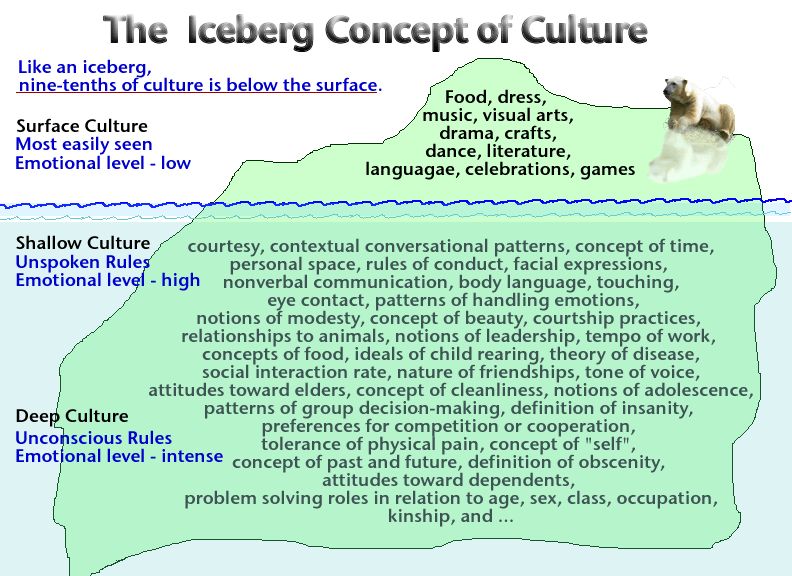
In love but worlds apart: insights, questions, and tips for the intercultural couple, written by Grete Shelling and Janet Fraser-Smith.  Both are in intercultural marriages of sorts and have years of working with other couples in intercultural marriages.  The book is written in a half-teaching/half-workbook style, with commentary, explanations, and examples followed by lists and lists of questions for intercultural couples to discuss.  It pretty much skips over the typical ‘cultural fascination’ dimensions (the visible layer of the iceberg concept of culture) and gets straight to the heart of intercultural relationship by helping the reader examine if they can truly live out the rest of their life in an intimate relationship with someone from another culture.

The book starts by examining the question What kind of partner am I looking for? by exploring questions like these: Continue reading “The best book on Intercultural Marriage”

Culture & Race

Iceberg Concept of Culture

One of my favorite ways to teach culture is with this diagram:

What is particularly intriguing to me is how it shows how culture can grow more stressful when you get past the ‘fun parts’ like food, dancing, and dress.  In intercultural relationships, simply talking about some of the rules guiding the unspoken and unconscious rules of culture brings a new level of awareness in understanding how to relate to one another.  When I use this in my classes with predominately white students, it always fascinates them to realize how differences in culture run deep even in their own families.  These conversations often begin like this:

“In my dad’s family, it’s like this, but my mom’s family is completely different.”

And then they start to chuckle and it dawns on them that they, too, come from a diverse family culture and begin to identify with how might foreigners feel navigating a new land.  I have all sorts of stories about how the deeper layers of culture play out – some funny, some sobering – that I may share more about as time goes on.  In the meantime, do any of these strike a chord for you?  What unspoken or unconscious cultural rules have caused more intense emotional loads in your life?

Spiritual Formation

What happens to a dream deferred?

Does it dry up
like a raisin in the sun?
Or fester like a sore–
And then run?
Does it stink like rotten meat?
Or crust and sugar over–
like a syrupy sweet?

Maybe it just sags
like a heavy load.

Or does it explode?

-Langston Hughes, 1951

Over time, we’ve had a lot of dreams fade.  Life’s details presented us with the reality that certain longings would lead us to destruction, and that another path was wiser.  As we’ve grown through such times, we’re not necessarily discouraged, just disappointed.  It’s happened enough times in our life that we instinctively know we will still be ok.  Plenty of dreams remain alive – just not ‘the-big-one-we-always-hoped-and-planned-for’.  We have plenty of small dreams:  for our children, our students, our families, our friends, our marriage, ourselves, our careers.  Continue reading “What happens to a dream deferred?”

Women

Women’s rights, early 19th century style

Smoking flapperI was so intrigued by this statement making doll that I snapped a shot of it in the museum I recently visited.  Apparently, early suffragists smoked as a means of expressing their freedom – men smoked, but for women to smoke was considered horribly inappropriate.

Times have changed some, and at least if women smoke, they’re not usually dressed like this while they’re smoking!  It made me wonder what women currently do to ‘assert our voice’ that may or may not be an effective means of developing our ability to be heard.  I have my own ideas, but I’m curious to hear yours first…

Food

What to buy in an Indian Grocery for dummies

If you’re new to South Asian cooking, it’s essential to buy some things in an Indian grocery.  Please, please, please, DON’T EVER buy “spices” in the spice aisle of the local grocery store.  THEY JUST DON”T CUT IT.

Exploring a new cuisine can be a little intimidating when you don’t know what to buy and nothing looks familiar.  I’ve learned lots from asking family to give me a tour and show me what is worth buying.  I cook mostly Sri Lankan food, so I’ve learned to shop Indian grocery stores through that lens (not many Sri Lankan groceries stores around here, darnit!).

Here’s my recommendations of essentials for the newbie South Asian cook:

Spices:

  • Curry powder
  • Chile powder
  • Cumin
  • Coriander
  • Tumeric
  • Mustard Seed

Other items

  • Basmati rice (Uncle Ben’s just won’t cut it with South Asian food!)
  • Pre-made spice packets:  You can buy a variety of these to try different dishes.  Purists will scoff, but when you’re learning, they’re probably better than what you can make on your own, and they’re quick!   My favorite brand is Parampara.  Butter chicken (chicken makhani) is a great dish to start out with.
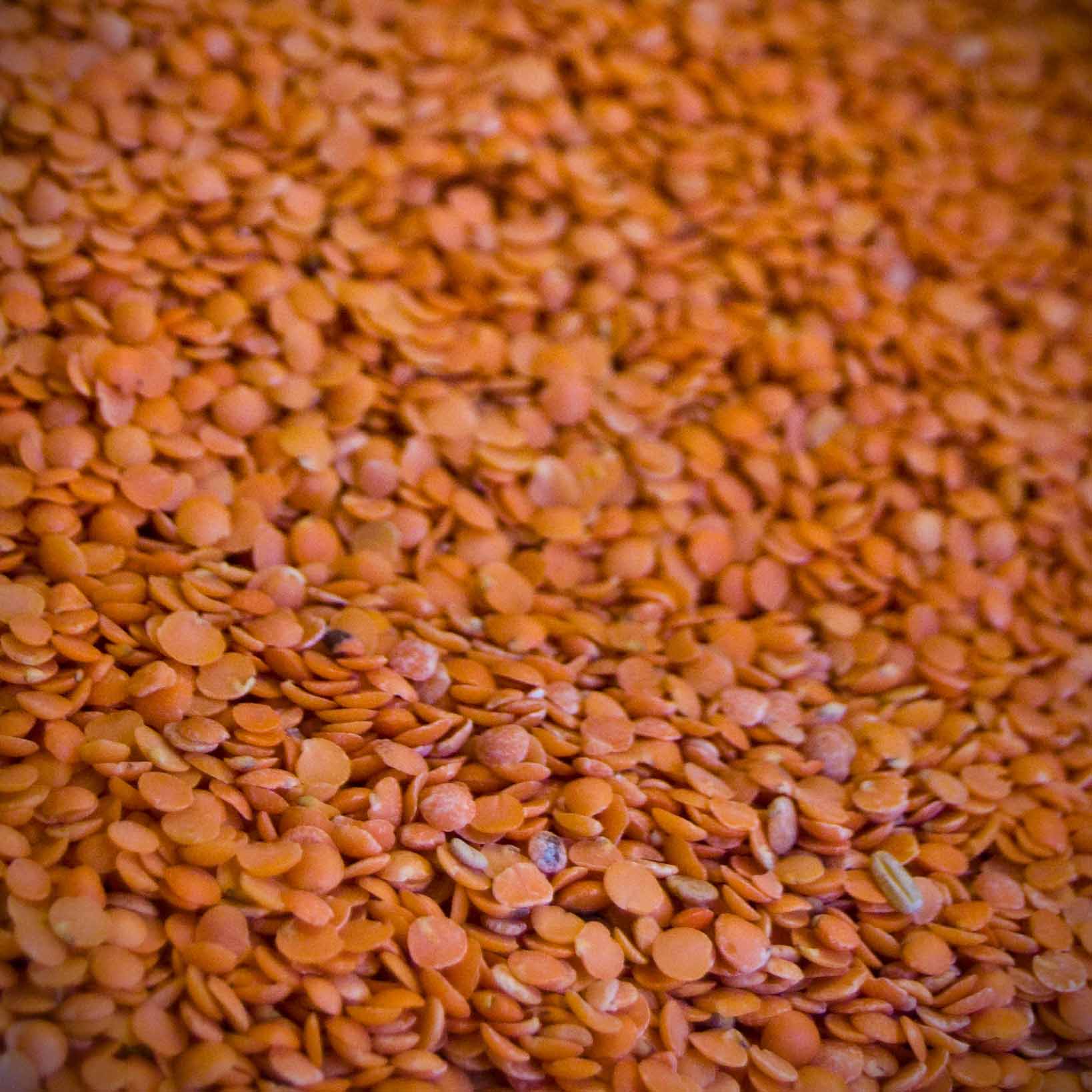
  • Red lentils
  • Breads (in the frozen section):  I’ve never eaten an indian bread I didn’t love.  While I have made it from scratch, it’s WAY easier (and honestly, tastier) to buy.  Our all-time favorite are the Swad Malaysian parathas, but I’m nearly as happy with naan or chapati.  I have yet to master making poori well, but I’m not a very good fry-er either.
  • Treat:  if there are fresh samosas, but all means, buy at least 5 (for yourself).  Yuuuuuuuuuuummmmmmmmmmy!

Cook-friends, help me out here.  Am I missing something big?  Any crucial items that other South Asian countries would include that are not here?

Food

Paripu: Sri Lankan Lentils

Known as dhal in Indian cooking, here is my recipe for Paripu, or Sri Lankan lentils.

2 cups red lentils (try not to use other colors, they just don’t taste the same.  you can buy the red ones at Indian grocery stores)

Water to cover lentils

1 t. turmeric

salt to taste preference (My MIL ALWAYS adds more!)

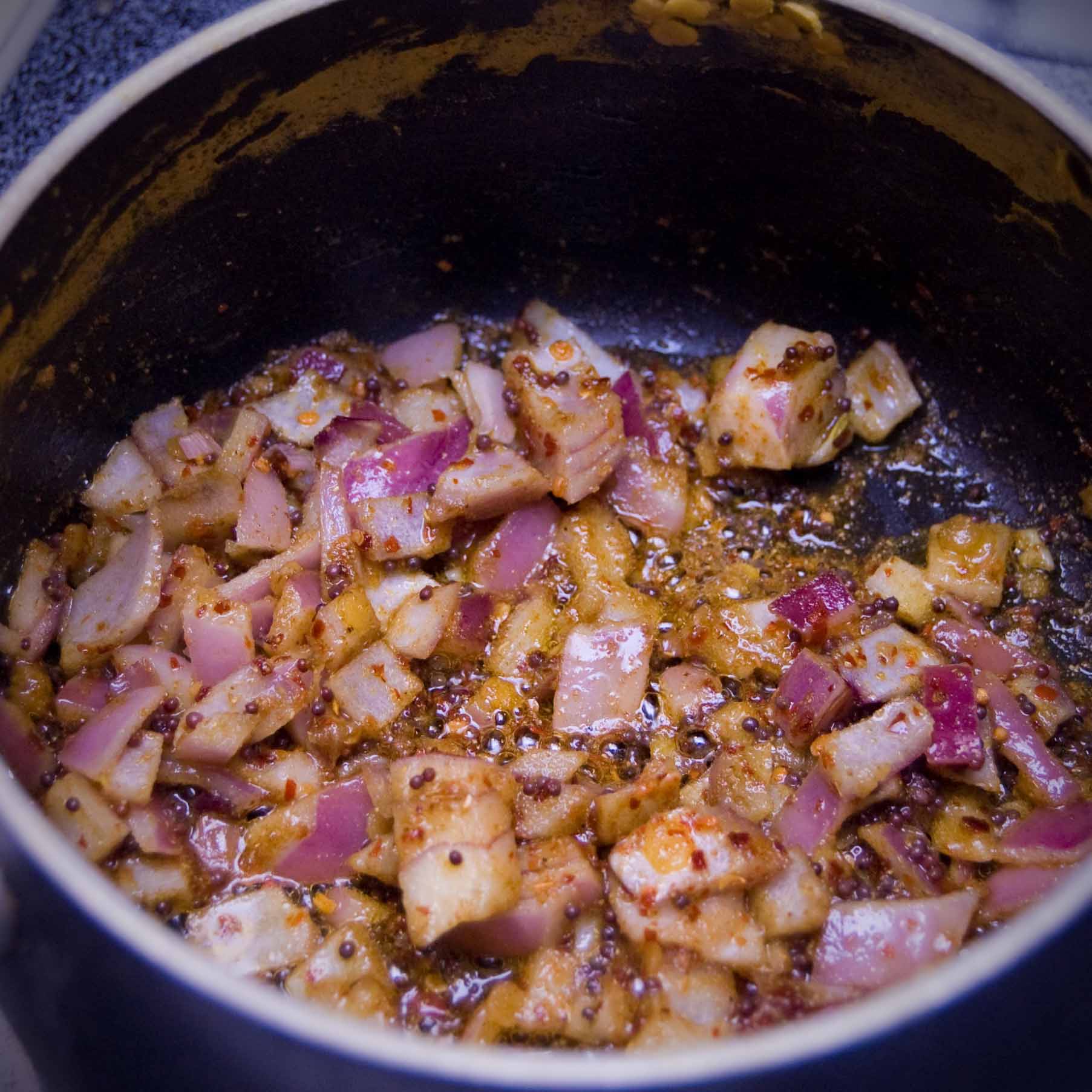
Boil the above together until lentils are soft.  If water boils off and lentils are still hard, add more water.  When lentils are soft, put them in a separate bowl and saute the following ingredients in the same pot:


1/2 red onion, chopped

oil (I use olive oil)

garlic (about 3 cloves)

1/2 t. curry powder

1/2 t. chili powder

1 T. mustard seeds

When the onions are soft, add the cooked lentils back to the pot and stir.  Add 1/2 cup of milk (or coconut milk – much yummier, but not quite as healthy) and let cook on the heat for 5-10 minutes.


Belief, Families, Children & Marriage

Thinking through interfaith marriage: a piece in the puzzle

In the world of intercultural relationships, the dynamics of interfaith marriage is a commonly examined issue.  Many have written[i] about how they work these relationships out in their lives and I respect their efforts to forge ahead together.  It’s a bit easier to find explanations of why people marry across faith than why they don’t.  Because I believe deeply that it’s important to consider many sides when making significant decisions, I thought I’d share more about why this was not my choice.  Please know that my intent is NOT to condemn those who make the decision to marry across faith, but to provide a voice in the conversation for those contemplating interfaith marriage.

So, why did I not marry across faith?  Here are some primary reasons:

Our faith is an integral part of our lives. By faith, I don’t mean a vague concept about trust in goodness or hope in mankind.  I mean a specific faith embodied by a specific set of beliefs – for us, Christian ones as found in the Bible.  We can’t separate who we are from what we believe – it affects every part of our lives from how we spend money to we raise children and beyond.  Successful marriage requires a certain measure of unity, and it would be difficult for us to have this unity without sharing the same faith.

Our faith roots us in a common denominator outside of ourselves. Let’s face it:  at some point, romantic love wears off and marriage grows hard.  I don’t believe it has to stay gloom and doom once the lovey-dovey stuff subsides, but when we have hit tough times, we’ve clung to a shared hope in a reality outside of our own situation.  This reality keeps us rooted enough to not be blown over by every storm that comes our way.   As much as I hate to admit it, our love alone is not strong enough to withstand some of the winds that have blown between us.

Our faith gives us a shared ethic to (attempt to) follow. Little decisions stem from bigger philosophies, and bigger philosophies stem from fundamental perceptions of the world.  While there’s a wide variety of perspectives within our faith (people can interpret scripture in very different ways), it’s not as wide as across religions. Even when we fail to follow our own ethic, we still have a similar place to return to reorient ourselves and continue on.

What’s your take?  If you’ve married across faith, can you speak to what has helped you make it work over the long haul?  If you’ve married within your faith, how has this worked for you?  I’d love to see some honest dialogue here, but please refrain from bashing/dismissing/disrespectful language.  While I recognize the sensitivity of this topic, I do believe it needs to be discussed without snarkiness for the sake of those in the decision making process (plus mean words make me feel bad).

Belief, Miscellany

Beautiful art from the Bible

I’ve recently stumbled upon the painting of Chinese Artist He Qi and am captivated.  Colorful and cubist, he paints with a fresh view of both old and new testament stories.


The Adoration of the Magi

Continue reading “Beautiful art from the Bible”

Food

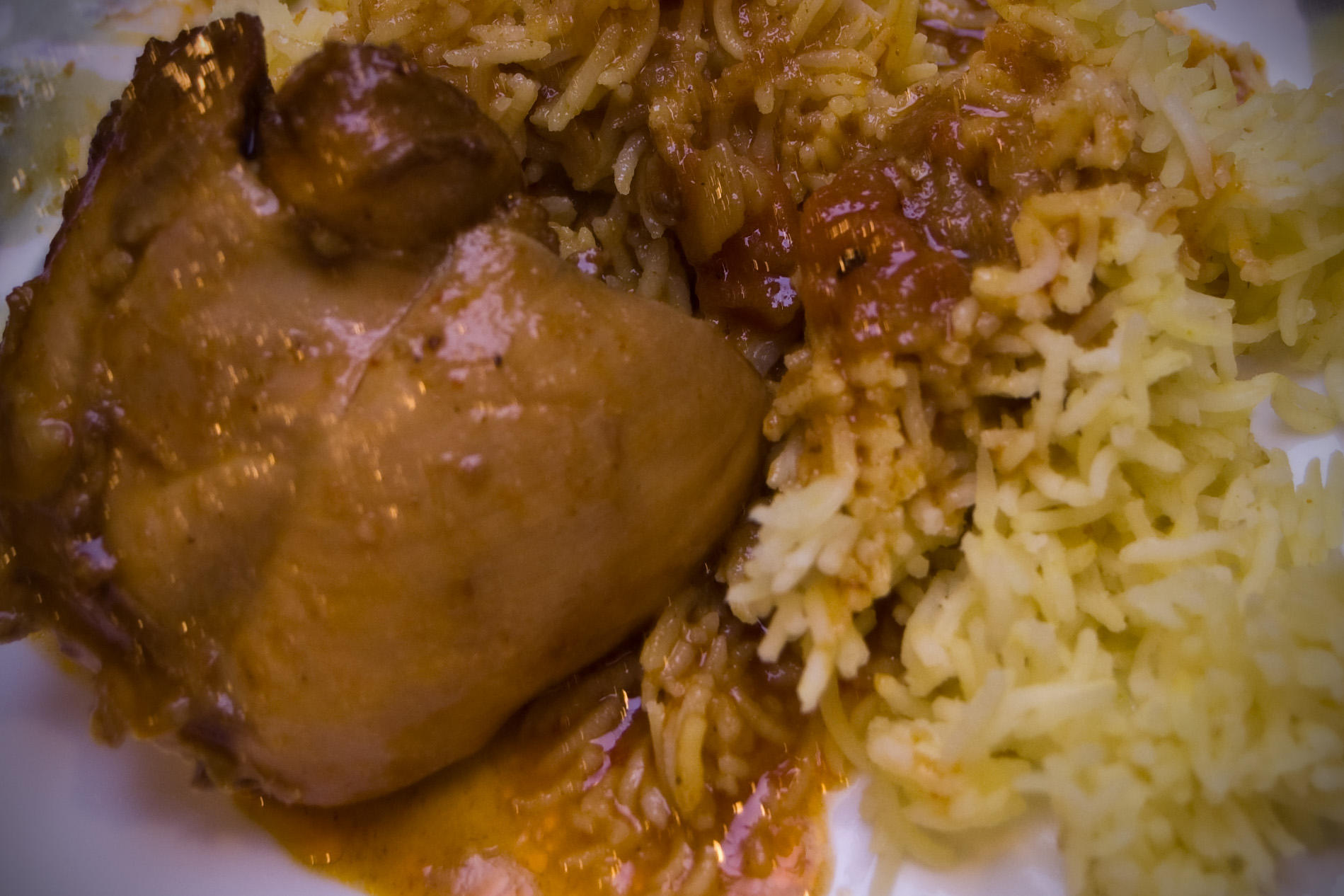
Sri Lankan Chicken Curry Recipe

I’ve typed this up many times for friends, and thought it would save me plenty more typing to just record it here, with gratefulness to my dear MIL for putting up with my kitchen messiness and teaching me how to make food my husband loves.  (Feel free to imagine my extra explanations in italics in my MIL’s voice).

Ingredients: Continue reading “Sri Lankan Chicken Curry Recipe”

Families, Children & Marriage, Social & Political Issues, Travel

Bright smiles and marker caps

I wrote this years ago reflecting on time I spent teaching English in Burkina Faso, West Africa.  Thanks to these children, hardly a week passes that I do think of the realities of children living in poverty.

“Nasara! Nasara!” the children shouted as my moped puttered down their street. I may have been the first white person they had ever seen. “Goo morneen!” they waved. Some wore tattered clothes. Some wore none at all. None wore shoes. Bright smiles dominated their tiny faces.

I arrived at school where I was met by my students, “Goo morneen, Meess. How are you today?” they inquired, taking my books and bag.

“Fine, thanks,” I was overjoyed, actually. Having taught in American public schools, the Burkinabé students continually amazed me with their respect and kindness. Together, we crossed the dusty school yard toward the classroom, dodging an occasional pothole, curious child or stray pig. One florescent light bulb provided light to the classroom. To turn it on, you had to precariously maneuver the wires until sparks flew and the bulb flickered on. Thankfully, my students were more adept at hotwiring light bulbs than I. They had already swept the dust from the room and arranged the desks. Covered in a mix of sweat and red dust, I opened the metal slatted windows to let in a breeze. Four grinning faces stared back at me, eager to catch a glimpse of the nasara. Continue reading “Bright smiles and marker caps”